Specific Nutritional Considerations for Men
Educational content about general aspects of men's nutritional needs
Understanding Men's Nutritional Needs
While fundamental nutritional principles apply to all adults, men's nutritional needs often differ from women's in several respects. Understanding these differences helps explain why personalized dietary approaches are valuable.
Age-Related Nutritional Shifts
Men's nutritional needs change across different life stages. Younger men in their 20s and 30s may have different requirements than men in their 50s and 60s. Factors like metabolic changes, hormone levels, activity capacity, and health conditions evolve with age, making periodic reassessment of dietary habits important.
Zinc and Its General Functions
Zinc is a mineral particularly discussed in men's nutrition. It supports immune system function, protein synthesis, cell division, and various enzymatic processes. Food sources of zinc include red meat, poultry, shellfish, legumes, seeds, and nuts. Adequate zinc intake through varied food sources generally meets nutritional needs for most men.
Magnesium and Muscle Function
Magnesium supports muscle function, energy production, nervous system health, and protein synthesis. This mineral is relevant for men involved in regular physical activity. Natural food sources include nuts, seeds, whole grains, leafy greens, and legumes. Meeting magnesium needs through diet supports both general health and physical performance.
Selenium for Thyroid Function
Selenium is a trace mineral that supports thyroid function and antioxidant protection. It's found in Brazil nuts, seafood, meat, and grains. This nutrient is typically easily obtained through a varied diet. Brazil nuts, in particular, are nutrient-dense sources, though consumption should be moderate due to selenium concentration.
Iron in Men's Diet
Iron supports oxygen transport and energy metabolism. Men's iron needs differ from women's (men require 8 mg daily, while women of reproductive age require 18 mg). Good dietary sources include red meat, poultry, legumes, and fortified grains. Men generally don't face iron deficiency as commonly as women, particularly before older age.
Protein and Muscle Health
Protein is essential for muscle maintenance and recovery, particularly important for men engaged in strength training or regular physical activity. Diverse protein sources—including meats, fish, eggs, legumes, and dairy—provide amino acids and various micronutrients. Individual protein needs depend on activity level and muscle maintenance goals.
Cardiovascular Health Considerations
Heart health is a significant concern for men across different life stages. Nutritional approaches supporting cardiovascular function include consuming whole grains, adequate fiber, healthy fats from sources like fish and nuts, and varied vegetables and fruits. Regular physical activity complements these dietary considerations.
Bone Health Across Lifespan
While often emphasized in women's health, bone health remains important for men. Calcium and vitamin D support bone density and strength. Dairy products, fortified plant-based alternatives, leafy greens, and nuts provide calcium. Adequate vitamin D comes from fatty fish, fortified dairy, and sun exposure. Weight-bearing physical activity also supports bone health.
Nutrient-Rich Foods for Men's Health
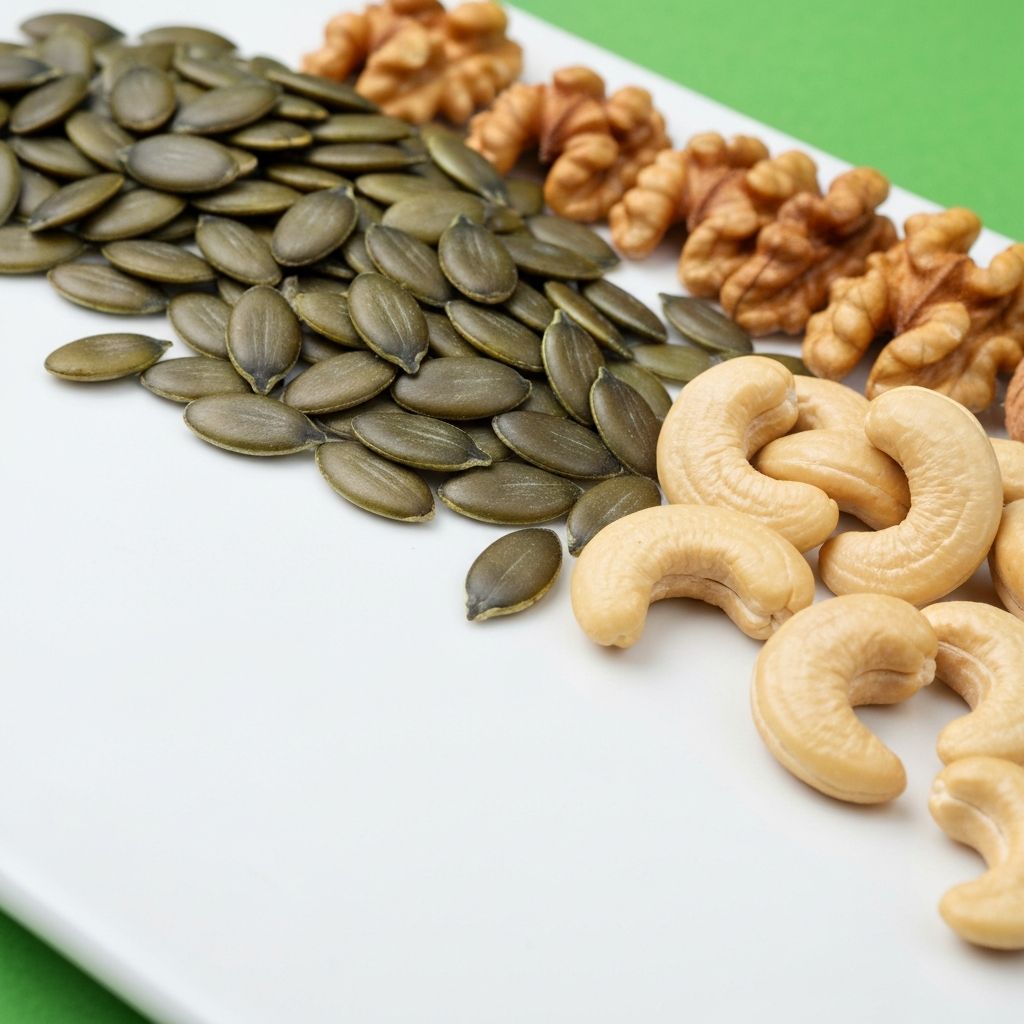
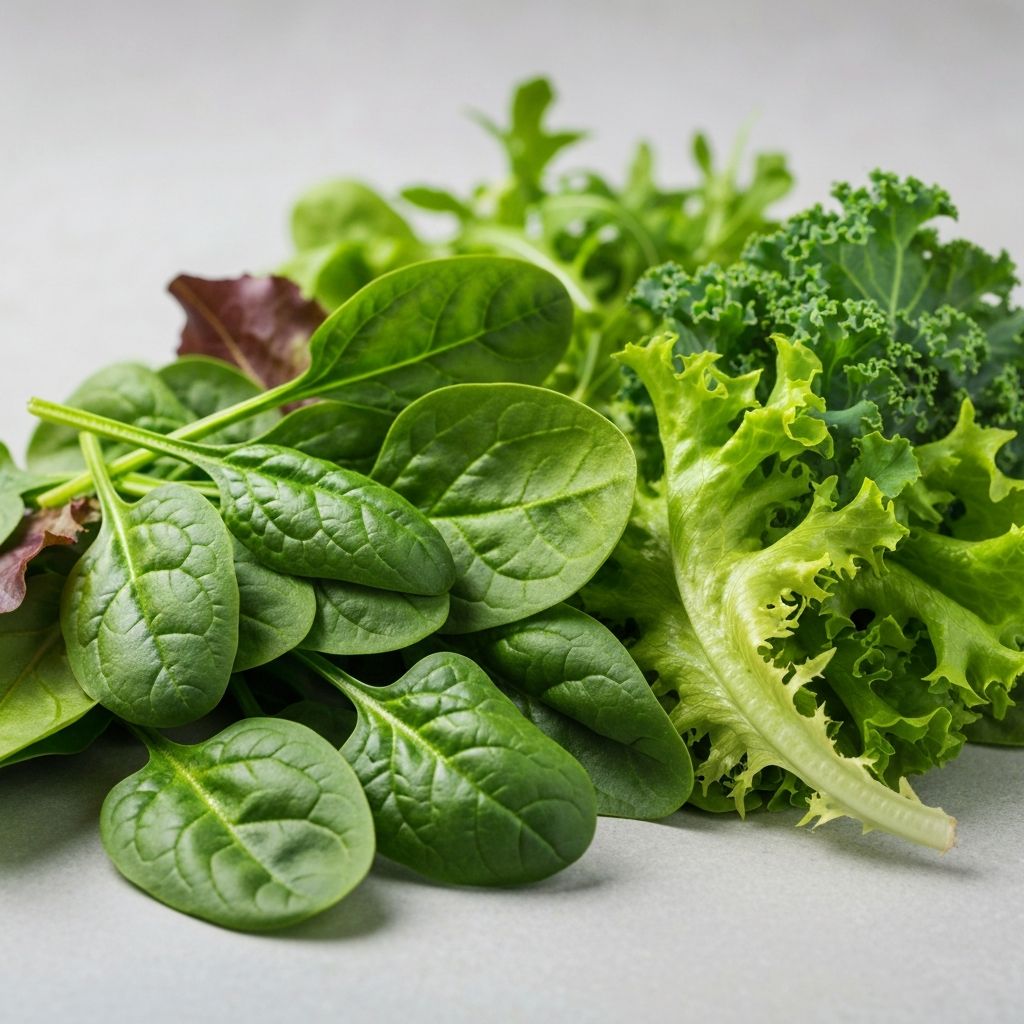
Understanding which foods provide specific nutrients supports conscious dietary choices. These three food groups each offer distinct nutritional profiles relevant to men's health:

General Guidelines for Men's Nutrition
Macronutrient Balance
Adequate protein supports muscle maintenance and recovery, particularly for physically active men. Healthy carbohydrates provide energy, and healthy fats support hormone production and nutrient absorption. The optimal balance of macronutrients varies based on individual activity level, metabolic characteristics, and personal goals. Professional guidance from registered dietitians can provide personalized recommendations.
Micronutrient Adequacy
Men require the same vitamins and minerals as other adults, though some are discussed more frequently in men's health contexts. Meeting micronutrient needs through varied whole foods—including vegetables, fruits, whole grains, lean proteins, nuts, and seeds—typically provides adequate amounts. Supplements may be beneficial in specific circumstances but shouldn't replace whole food sources.
Hydration and Performance
Adequate hydration supports physical performance, cognitive function, and metabolic processes. Individual fluid needs vary based on activity level, climate, and personal factors. Water is the primary hydration source, though hydration also comes from food and other beverages. For most people, thirst is a reliable indicator of hydration needs.
Consistency Over Perfection
Sustainable nutrition focuses on consistent, balanced choices rather than perfection. Occasional indulgences fit within overall healthy eating patterns. Developing sustainable habits—emphasizing whole foods, variety, and moderation—supports long-term health better than restrictive approaches or frequent dietary changes.
Individual Variation
Men's nutritional needs vary significantly based on age, activity level, metabolism, health status, and personal goals. One-size-fits-all dietary advice rarely serves everyone optimally. Professional consultation, such as with registered dietitians or qualified healthcare providers, helps identify approaches tailored to individual circumstances and objectives.
Important Note
This information is for general educational purposes and represents typical nutritional considerations for men. Individual needs vary significantly. For personalized nutritional guidance, especially for specific health concerns or goals, please consult with qualified healthcare professionals, registered dietitians, or other appropriate specialists.